
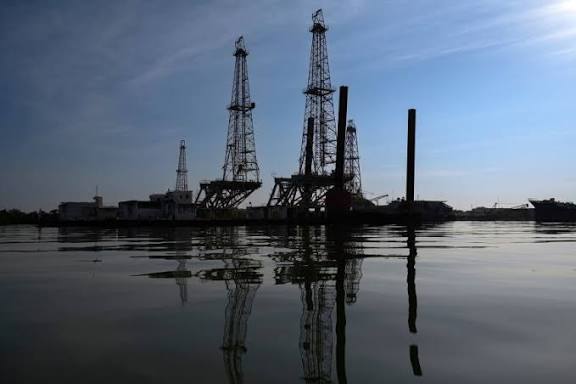
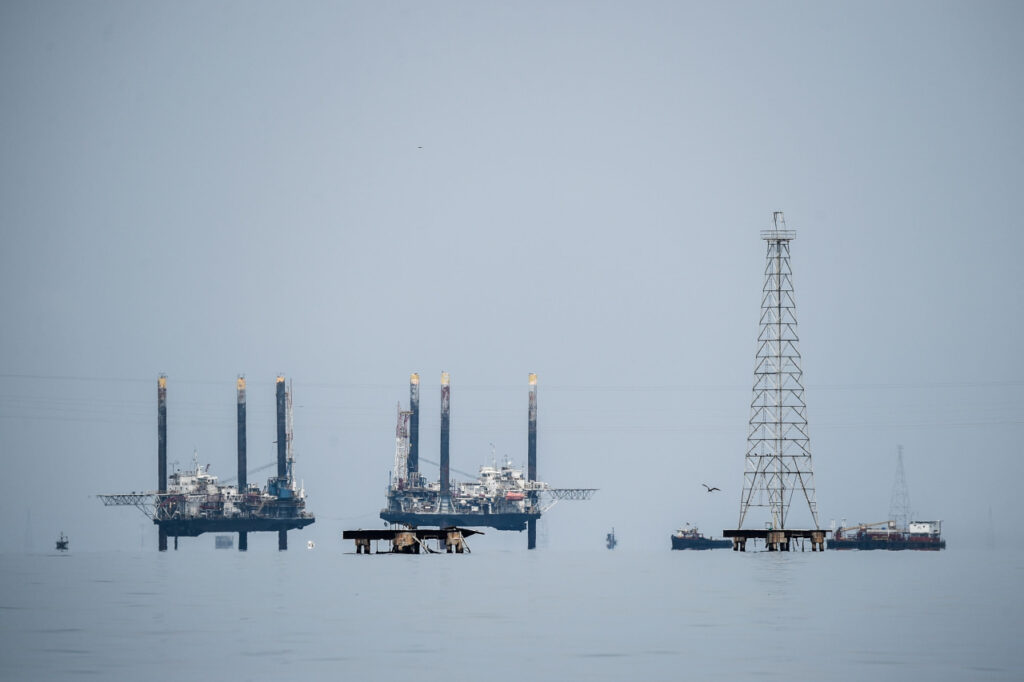
The Trump administration has delivered a blunt message to U.S. oil companies hoping to reclaim assets seized by Venezuela: compensation will come only if they are willing to return and invest billions of dollars in rebuilding the country’s collapsed oil industry.
According to multiple industry sources cited by POLITICO, administration officials have privately told oil executives that reimbursement for confiscated rigs, pipelines, and facilities will require immediate reinvestment in Venezuela’s deteriorated petroleum infrastructure. These discussions have reportedly been underway for the past 10 days.
U.S. Oil Firms Face High Risk in Post-Maduro Venezuela
Although American oil companies have long sought restitution for assets nationalized by Venezuela’s authoritarian government, many remain wary. The country’s oil fields, once among the world’s most productive, are now severely degraded after decades of mismanagement, sanctions, and lack of investment.
Industry executives say it is still unclear how much capital would be required to restore production — or whether such investments could be secured amid political uncertainty.
“They’re essentially saying, ‘If you want to be reimbursed, you have to go back in and rebuild,’” said one oil industry official familiar with the conversations.
Trump Signals Major Role for U.S. Oil Companies
President Donald Trump reinforced this stance in a televised address from Mar-a-Lago following the capture of Venezuelan leader Nicolás Maduro. Trump said he expects America’s largest oil producers to spearhead the country’s energy revival.
“Our major U.S. oil companies are going to go in, spend billions of dollars, repair the broken infrastructure, and start making money again for the country,” Trump said.
He added that while oil companies would initially cover the costs, they would ultimately be reimbursed once production resumes.
Venezuela’s Oil Industry: Vast Reserves, Broken System
Venezuela holds an estimated 300 billion barrels of oil reserves, among the largest globally. However, output has plunged to less than a third of the 3.5 million barrels per day produced during the 1970s.
The national oil company, PdVSA, remains central to any recovery plan. According to sources involved in discussions, the administration does not currently plan to privatize or dismantle PdVSA. Instead, a leadership overhaul is expected, keeping the company intact to maintain continuity in production.
Industry Uncertainty Over Security, Payments, and OPEC Status
Oil executives cite several unresolved concerns:
Safety of U.S. personnel and equipment
Guarantees of payment and legal protections
Profitability amid oil prices near $57 per barrel, the lowest since the pandemic
Venezuela’s future role in OPEC
Bob McNally, president of Rapidan Energy Group and a former White House energy adviser, said the administration has yet to articulate a clear long-term strategy.
“Beyond prioritizing U.S. companies in a post-Maduro government, the broader plan hasn’t been fully defined,” McNally noted.
Chevron Remains the Only Major U.S. Operator
Chevron is currently the sole major American oil company operating in Venezuela under a special U.S. government license. In a statement, Chevron said it remains focused on employee safety and regulatory compliance.
Meanwhile, industry insiders describe the administration’s outreach as preliminary and uneven.
“It feels like a shoot-ready-aim approach,” said one executive, who described engagement as sporadic and poorly coordinated.
Strategic Push to Keep China Out of Venezuela
Former White House energy officials say the U.S. could offer incentives through agencies like the Export-Import Bank and the U.S. International Development Finance Corp. to offset political and security risks.
One major geopolitical goal is limiting China’s access to Venezuelan oil, which Beijing currently purchases at a discount using tanker fleets that evade sanctions.
“There’s a strong incentive for American companies to get there first,” said Richard Goldberg, former head of the National Energy Dominance Council.
Long-Term Opportunity, Not Immediate Boom
Energy analysts caution that Venezuela remains a long-term bet. With low oil prices and massive capital requirements, many companies are adopting a wait-and-see approach.
However, experts note that as U.S. shale production eventually declines, Venezuelan heavy crude could once again become vital to Gulf Coast refineries specifically designed to process it.
“If political risk is removed, Venezuela could be a crown jewel,” said Landon Derentz of the Atlantic Council. “But right now, it’s not a ripe opportunity.”